
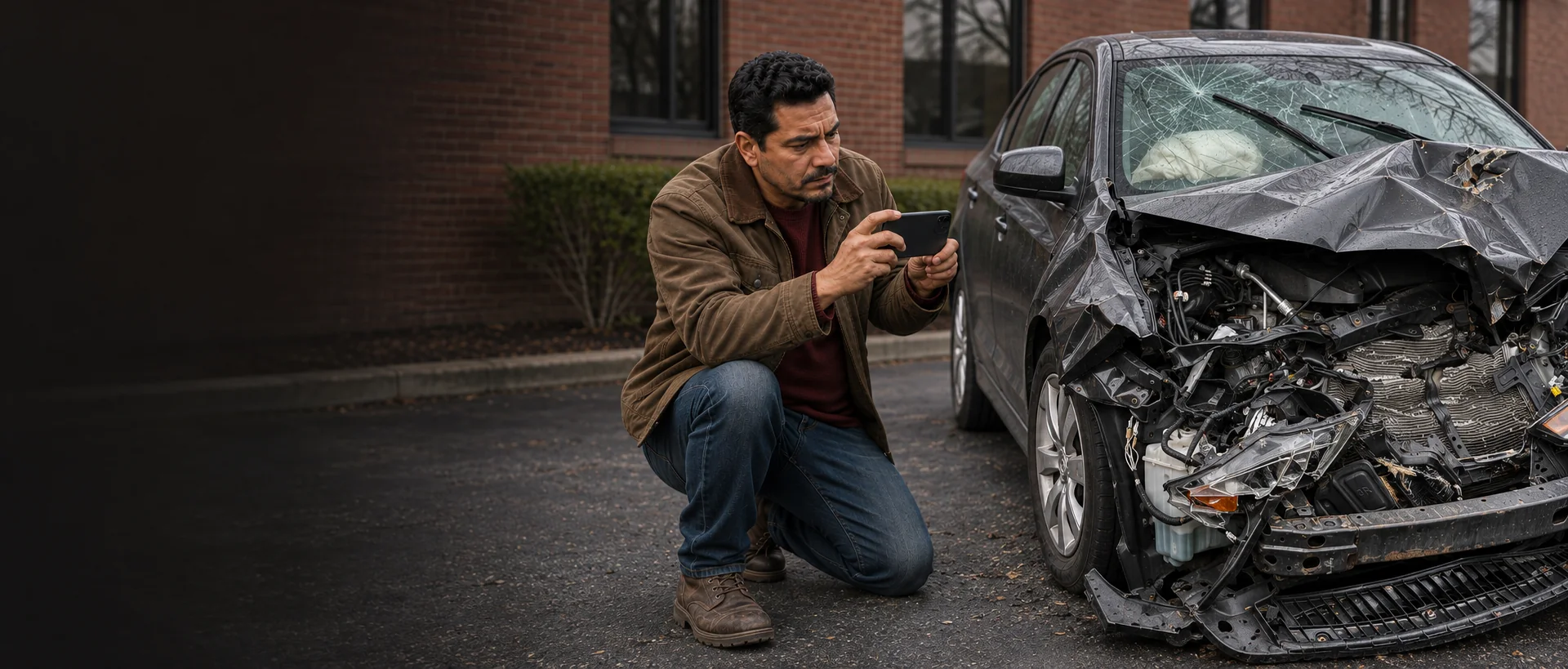
Why hiring an attorney can matter after a personal injury.
Insurance companies begin protecting their interests immediately. An injured person should do the same.
The insurance company is not neutral.
After a crash, fall, or unsafe-property injury, the insurance company may request statements, medical authorizations, photos, releases, or quick settlement discussions. An attorney helps you understand what helps your claim and what may hurt it.
Evidence can disappear
Video footage, witness memories, vehicle data, inspection logs, photos, incident reports, and maintenance records can be lost if no one acts quickly.
Medical records must tell the story
Gaps in care, unclear causation, prior injuries, and missing bills can all be used to undervalue a claim. A lawyer helps organize the proof.
Fault rules matter
In many injury cases, the other side will try to shift blame. Even a few percentage points of fault can affect the value of a claim.
Deadlines can bar recovery
Statutes of limitation, notice rules, governmental-entity requirements, and court deadlines can determine whether a claim survives.
What a personal injury attorney does
Investigates liability
Identifies responsible parties, requests records, preserves evidence, interviews witnesses, and develops the factual theory of the case.
Documents damages
Collects medical records, bills, lost wage information, photos, future-care evidence, and documentation of pain, disruption, and limitations.
Handles insurers and litigation
Communicates with adjusters, evaluates settlement offers, prepares demand packages, files suit when necessary, and advocates in court.
When to call
It is usually better to call early, even if you are unsure whether you have a case.
- You went to the hospital, urgent care, or a specialist.
- The insurance company wants a recorded statement.
- You are missing work or losing income.
- You have lasting pain, scarring, surgery recommendations, or future-care concerns.
- The other side is blaming you.
- The injury happened on unsafe property.
- A loved one died or suffered catastrophic injury.
Do not settle before you know the full harm.
Early settlement offers may not include future medical treatment, long-term pain, lost earning capacity, liens, or complications that appear later.
Personal injury FAQ
Do I need an attorney for every accident?
Not every small incident requires litigation. But if you are injured, fault is disputed, treatment is ongoing, or the insurer is pressuring you, legal advice can help you avoid costly mistakes.
Should I give a recorded statement?
Recorded statements can be used against you. Speak with an attorney before giving one, especially if you are still in pain or do not know the full facts.
What is my case worth?
Value depends on liability, medical treatment, permanency, lost income, pain and suffering, venue, insurance coverage, prior injuries, and the strength of the evidence.
Will my case go to trial?
Many cases settle, but a claim should be prepared with trial in mind so the other side understands the risk of undervaluing it.
Protect your claim early.
Call HURT317 before giving statements, signing releases, or accepting a settlement.